Furniture Pick-Up in Canary Wharf
Fast, practical furniture collection for homes and businesses
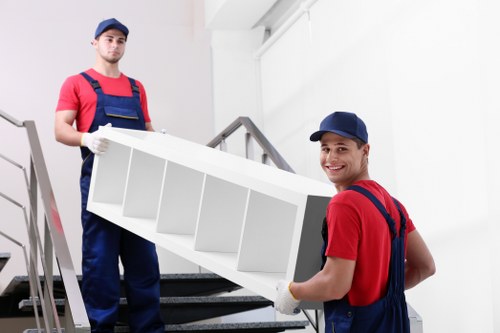
If you need furniture pick-up in Canary Wharf, you’re probably looking for something simple: a reliable team that can collect bulky items without turning your day into a hassle. Whether you live in a modern apartment tower, manage a dockside office, or are clearing a furnished flat between tenancies, a well-organised furniture collection service can save time, reduce stress, and help you deal with unwanted items properly.
Canary Wharf is a busy part of East London where access, lifts, loading bays, concierge rules, and parking restrictions can all affect how a collection is handled. That is why a local service matters. A team familiar with the area can plan around building access, timed appointments, and commercial site requirements, making the whole process smoother from start to finish.
From a single sofa to multiple desks, wardrobes, filing cabinets, tables, chairs, and bed frames, furniture removal needs to be carried out with care. The right team should do more than just lift and load. They should understand how to work in high-rise residential blocks, mixed-use developments, and office environments where time and space are limited.
Why local furniture collection is different in Canary Wharf
Canary Wharf has a very specific mix of property types. There are high-spec apartments, short-let units, serviced residences, corporate offices, retail spaces, and shared work environments. Each setting comes with different access rules and different expectations. A service that works well elsewhere may struggle here if it is not prepared for underground parking limitations, concierge sign-in procedures, or restricted lift access.
Furniture pick-up in Canary Wharf is often needed when tenants move out, landlords prepare for new occupants, offices reconfigure workspaces, or businesses need to remove old furniture before refurbishment. In many cases, the furniture is too heavy or awkward for standard household disposal. This is where a specialist collection team can make a real difference.
It is also common for local customers to need same-day or short-notice support. If a delivery has arrived and the old item must go quickly, or if an office clearance has to happen before contractors begin, a responsive collection service helps keep everything on schedule. Local knowledge saves time, especially where access windows are narrow and building management expects organised arrivals.
What our furniture pick-up service can include

Furniture collection is rarely just about lifting one item and leaving. Most customers want a service that is practical, tidy, and respectful of the property. Depending on your needs, the collection may include items from one room, multiple floors, an entire flat, or a commercial office suite.
Typical items collected in Canary Wharf include:
- Sofas, armchairs, corner sofas, recliners, and sofa beds
- Beds, mattresses, bed frames, headboards, and bedside furniture
- Wardrobes, chests of drawers, cupboards, and bookcases
- Dining tables, coffee tables, side tables, and office desks
- Office chairs, meeting tables, storage cabinets, and filing units
- TV units, shelving, and occasional furniture
- Broken, damaged, or worn-out furniture that is no longer usable
Some customers also ask for mixed-item pick-up when furniture needs to be removed alongside a few household or office items. That can be useful during end-of-tenancy clearances, moving day, or office refreshes. Rather than arranging several separate removals, it is often easier to have everything handled in one visit.
Where possible, furniture may be separated for reuse, donation, or recycling pathways if it is still suitable. If items are no longer in usable condition, they can be handled responsibly through the appropriate disposal route. The aim is to remove what you no longer need while keeping the process as straightforward as possible.
Residential furniture collection for flats and apartments
Many Canary Wharf residents live in modern apartment buildings with concierge desks, lift booking systems, and tight access times. That makes furniture collection slightly different from a typical house clearance. The team often needs to coordinate arrival, protect communal areas, and work efficiently within a fixed time slot. Large items may need to be carried through lobbies or via service entrances, so planning matters.
For residents, the main benefits are convenience and peace of mind. Instead of trying to dismantle a bed frame yourself or figure out how to move a heavy sofa down from a high floor, you can arrange a pick-up that handles the lifting, loading, and removal for you. This is especially helpful if you are juggling a move, refurbishment, or landlord check-out deadline.
If you are a tenant or leaseholder, it is worth preparing your building access details in advance so the collection runs smoothly. Canary Wharf furniture pick-up often works best when the team knows about loading restrictions, visitor parking limitations, and any building rules before they arrive.
Commercial and office furniture pick-up in Canary Wharf

Canary Wharf is a major business district, so commercial furniture removal is just as important as residential collection. Offices often update layouts, close departments, replace worn furniture, or clear workspaces at the end of a lease. In these situations, the challenge is not only the size of the furniture but also the need to minimise disruption to staff and neighbours.
A professional furniture pick-up service for businesses can help with desks, chairs, pedestal units, filing cabinets, boardroom tables, shelving, and reception furniture. It can also support smaller firms working from shared offices or flexible workspaces where moving items out quickly is important.
Commercial customers often need the service to fit around business hours, building management procedures, and limited loading access. A local team familiar with the Canary Wharf estate, nearby business zones, and access patterns can help reduce delays and make collections more predictable. This is particularly useful for managed offices and fit-out projects where timing is critical.
Common reasons businesses book furniture collection
There are several practical reasons companies arrange office furniture pick-up:
- Office relocation or internal reconfiguration
- End-of-lease dilapidation or clear-out requirements
- Replacement of old desks, chairs, and storage units
- Refurbishment work before new fittings are installed
- Clearing surplus items after downsizing or hybrid-working changes
For business customers, efficiency is often the priority. A well-planned collection can prevent clutter from building up in meeting rooms, corridors, and storage areas. It also helps keep the workplace presentable for staff, clients, and contractors.
Book your furniture pick-up now if you have items that need to be removed before an office move, fit-out, or handover. The earlier the collection is arranged, the easier it is to coordinate access and avoid last-minute stress.
How we help keep the process organised
The best furniture collection services are clear about what they need from you and what they will handle on arrival. That can include confirming item types, understanding access points, and planning around lift availability or building permissions. In a district like Canary Wharf, good coordination makes the service more dependable.
When the removal is handled properly, it is easier for managers, tenants, and residents to stay on top of deadlines. That matters in mixed-use buildings where common spaces must remain clear and professional at all times. A tidy, well-organised pick-up is often the difference between a smooth day and an interrupted one.
How the furniture pick-up process works

Many customers want to know exactly what happens from the moment they enquire. A straightforward process helps build trust and makes the service feel manageable. While each job is different, the general steps are usually similar.
- Initial enquiry – You share the type of furniture, how much needs collecting, and where the items are located.
- Job assessment – The team considers access, item size, number of floors, parking, and any building restrictions.
- Collection arrangement – A suitable date and time are agreed, often with attention to concierge or loading bay schedules.
- Arrival and removal – The team arrives prepared, loads the furniture safely, and removes it from the property.
- Final clearance – The area is checked so you can confirm the furniture is gone and the space is ready for use.
For many customers, the most useful part is knowing that the service is designed to be simple. You do not need to organise transport, borrow a van, or try to move bulky items through narrow corridors. The collection team handles the heavy lifting and the logistics.
In Canary Wharf, where many buildings have specific rules for moving goods, a local team can coordinate more effectively with building staff. That reduces the chance of delays and helps the pick-up happen within the permitted time window.
Why local experience matters on the day
Canary Wharf can be busy at certain times of the day, and access routes may change depending on works, events, or traffic patterns. A local collection team that knows the area is better placed to arrive on time, find the correct access point, and complete the removal without unnecessary backtracking.
Furniture pick-up in Canary Wharf is often smoother when there is a clear understanding of building procedures. That includes lift booking, item dimensions, and any requirement to protect floors or communal surfaces. Good preparation from both sides helps avoid problems and keeps the service efficient.
If you are arranging a collection for a flat, office, or retail unit, try to have the item list ready and make sure access details are accurate. Even small details such as whether furniture needs to be taken down stairs or can fit through a service lift can affect the plan.
What if the item is awkward or oversized?
Oversized furniture is common in modern homes and offices. Corner sofas, large wardrobes, conference tables, and heavy desks can be difficult to move, especially in buildings with narrow turning spaces. In those cases, the team may need to assess whether partial dismantling is sensible before the collection begins.
That extra planning can make the job safer and more efficient. It is also helpful when you want to avoid damage to walls, doors, flooring, or lift interiors. The aim is always to remove the furniture carefully and leave the property in good order.
Preparation checklist before your furniture collection

A little preparation can make a big difference. Whether you are a resident in a high-rise apartment or a business manager dealing with office furniture pick-up, getting ready in advance can save time on the day.
Here is a simple checklist to help you prepare:
- Confirm which furniture items need to be collected
- Measure larger pieces if access may be tight
- Check lift access, loading bay rules, and concierge procedures
- Move small personal belongings out of drawers, shelves, or sofas
- Separate anything you want to keep from anything being removed
- Let relevant building staff know a collection is expected
- Make sure parking or stopping instructions are understood in advance
If the furniture is in a multi-storey building, think about the route from the property to the exit. Are there corners, fire doors, or narrow corridors? Will the item fit in the lift? These are practical questions, and answering them beforehand helps avoid delays.
For offices, it can also be sensible to label items that are to stay and items that are to go. This is especially useful during clear-outs, refurbishment work, or when multiple teams are using the same floor. Clear instructions help the collection team work faster and more accurately.
Preparing for a collection in residential buildings
Canary Wharf apartments often have specific moving procedures. You may need to book a lift, provide the building name and flat number, or arrange access through a certain entrance. If you live in a managed block, check whether there are any timing restrictions for moving large furniture. That small step can prevent problems on collection day.
It also helps to keep hallways clear and remove fragile items from the route. If possible, place the furniture near the exit point or in the room with the easiest access. Local furniture removal in Canary Wharf is usually quicker when the property is ready and the route is unobstructed.
Good preparation is not about doing the heavy work yourself; it is about helping the collection go safely and efficiently. The lifting and loading should still be handled by the removal team.
Pricing factors and what can affect the quote
Customers often want to understand what influences the cost of furniture collection. While exact prices depend on the job, there are common factors that usually affect the quote. Knowing these in advance helps you request a more accurate estimate and choose the right service for your needs.
The main pricing factors may include:
- Volume and number of items – A single armchair is different from a full office clear-out.
- Item size and weight – Large wardrobes, solid wood tables, and heavy desks take more handling.
- Access conditions – Stairs, lift restrictions, long carry distances, and parking limitations can affect the job.
- Location and timing – Collections in busy buildings or at specific times may require extra coordination.
- Dismantling needs – If furniture has to be taken apart before removal, that may affect planning.
- Mixed waste or extra items – Additional materials or non-furniture items may change the scope.
In a place like Canary Wharf, access details can be especially important. A straightforward job in a ground-floor retail unit may be simple, while a collection from a high-rise apartment or office suite could involve lift booking, concierge approval, and timed loading access. The clearer the information you provide, the easier it is to assess the job properly.
It is always sensible to request a free quote rather than guessing. That way you can explain the items, the property type, and any access issues before the collection is booked. Request a free quote if you want to understand the likely cost based on your specific furniture removal needs.
Why transparency matters
Customers appreciate clear expectations. A good local team should explain what affects the job, what will be included, and whether any preparation is needed before arrival. That clarity helps avoid misunderstanding and makes the whole process easier for everyone involved.
For households and businesses alike, the value of the service is not only in the removal itself but in the convenience and time saved. When bulky furniture is handled properly, you can move forward with decorating, moving, refurbishing, or simply reclaiming usable space.
Why choose a local company for furniture pick-up in Canary Wharf
There are practical reasons to choose a local team for furniture collection. The area’s layout, building standards, and traffic patterns all reward experience. A local company is more likely to understand what it takes to complete the job efficiently in an area dominated by towers, managed properties, and commercial estates.
Benefits of choosing a local service include:
- Better understanding of access rules in apartment and office buildings
- More efficient planning around loading bays, concierge desks, and lift slots
- Shorter response times for urgent or same-day requests where available
- Familiarity with mixed-use properties and the different expectations they bring
- Smoother communication when coordinating with residents, landlords, and building staff
In Canary Wharf, this local knowledge is especially useful because many buildings are tightly managed and access is not as simple as parking outside a house. A collection team that already knows the area can often work more efficiently and with less disruption.
Local customers also tend to value flexibility. A resident may need help after a flat move, while an office manager may need a collection before contractors begin work the next morning. A company that regularly works in the district is better placed to respond to different schedules and different types of properties.
Suitable for homes, landlords, agents, and businesses
The service is relevant to a wide range of local customers. Private residents may need help removing old furniture from an apartment. Landlords and letting agents may need a swift collection after a tenant move-out. Facilities managers may need office furniture removed as part of a workplace change. Property professionals often appreciate a dependable service that can be arranged without unnecessary complications.
Furniture pick-up in Canary Wharf is especially useful when time matters. If you are preparing a flat for new occupants, getting an office ready for a fit-out, or clearing items before a handover, an organised removal can help everything run to plan.
It is also helpful for people who simply want a clutter-free home. A worn-out sofa or a spare bed frame can take up valuable space, and arranging collection is often easier than trying to deal with it yourself. When the item is gone, the room feels usable again.
Areas covered around Canary Wharf
Furniture collection customers in and around Canary Wharf often need help not only within the central estate but also in nearby residential and business areas. A local service is usually well placed to cover surrounding parts of East London, especially where properties share similar access and parking conditions.
Common nearby areas may include:
- Isle of Dogs
- Poplar
- Blackwall
- South Quay
- Millwall
- West India Quay
- Limehouse
- Parts of East India and nearby Docklands locations
This matters because many customers live or work just outside the main Canary Wharf core but still face the same practical issues: loading restrictions, managed entrances, busy streets, and limited stopping space. A local furniture pick-up service can often cover these adjacent neighbourhoods without difficulty.
If your building sits near a shared access road or within a managed development, it is worth mentioning that when you enquire. The more precise the details, the easier it is to schedule the collection and plan the route for moving the items out.
Furniture pick-up for mixed-use and dockside developments
Canary Wharf and the surrounding Docklands area contain many developments where residents, offices, retail spaces, and amenities sit close together. That can create extra coordination needs when bulky furniture is being removed. Good planning helps ensure the job is completed without causing disruption to neighbours, staff, or visitors.
For this reason, local experience is not a minor advantage; it is often essential. It supports timely arrivals, safer handling, and a more organised process overall. That is especially important for customers dealing with time-sensitive moves or property changes.
Frequently asked questions
Below are some common questions people ask when arranging furniture collection in the area. These are based on real customer concerns and can help you decide what to expect before booking.
Can you collect just one item?
Yes, many customers only need one item removed, such as a sofa, wardrobe, mattress, or desk. Single-item collections are common in apartments and office spaces where one bulky item is no longer needed.
Do I need to move the furniture outside first?
No, the furniture is usually collected from inside the property. However, it helps if the path to the item is clear and any personal belongings have been removed. The lifting and carrying should be done by the collection team.
What if the furniture needs dismantling?
If the item is too large to move safely in one piece, partial dismantling may be needed. That can often be arranged as part of the collection plan, depending on the item and access available.
Can you handle office furniture collections in managed buildings?
Yes, office and commercial collections are a common part of the service. In managed buildings, it is especially important to share access instructions, loading arrangements, and any timing restrictions before the visit.
What if I have other items to remove as well?
Many customers have a mixture of furniture and other items ready for collection. If you have extra items, mention them when you enquire so the job can be assessed accurately and organised in one visit where possible.
How soon can a collection be arranged?
Availability depends on workload and the type of job, but local services can often help with flexible scheduling. If your collection is urgent, it is best to mention that clearly when you request a quote.
Is this suitable for end-of-tenancy clear-outs?
Yes, furniture pick-up is very useful for tenants, landlords, and letting agents. It can help clear out unwanted items before inspection, handover, or re-letting. In Canary Wharf, where many properties are managed and timelines are tight, this can be especially valuable.
Ready to arrange your furniture collection?
If you have furniture that needs to go, the easiest next step is to request a quote and share a few details about the items and access. Whether you are a resident, landlord, office manager, or facilities team member, a local collection service can help you deal with unwanted furniture quickly and with less disruption.
Contact us today to discuss your furniture pick-up in Canary Wharf, or book your service now if you are ready to arrange a convenient collection time. The sooner the service is scheduled, the easier it is to fit around building access, deliveries, and work commitments.
From apartment clearances and single-item removals to office furniture collection and mixed-property jobs, the aim is always the same: to provide a practical, dependable service that suits the pace of life in Canary Wharf. If you want your space cleared efficiently and professionally, a local furniture pick-up team is a smart choice.
Request a free quote when you are ready, and make your furniture removal one less thing to worry about.