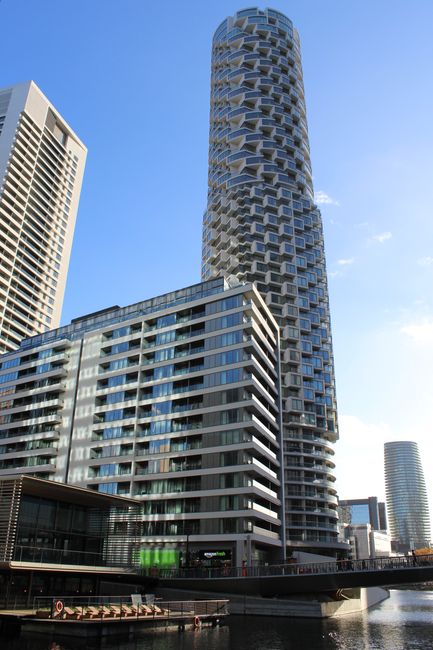
Heron Quays apartment removals on Marsh Wall E14: a practical guide for a smoother move
Moving out of a Heron Quays apartment on Marsh Wall E14 can feel deceptively simple on paper. It is "just" an apartment move, after all. But once you factor in lift bookings, tight loading spaces, concierge rules, fragile furniture, and the usual London timing pressure, the job becomes a bit more involved. That is exactly why Heron Quays apartment removals on Marsh Wall E14 deserve proper planning, not a last-minute scramble with half-packed boxes and a van waiting outside in the rain.
This guide walks you through the whole process in plain English: what the move involves, why it needs a careful approach, how to prepare, what to avoid, and when it makes sense to bring in specialist help. If you are comparing options, it may also help to look at the wider services overview and the specific support offered through flat removals in Canary Wharf. Let's get into the details.
Table of Contents
- Why Heron Quays apartment removals on Marsh Wall E14 Matters
- How Heron Quays apartment removals on Marsh Wall E14 Works
- Key Benefits and Practical Advantages
- Who This Is For and When It Makes Sense
- Step-by-Step Guidance
- Expert Tips for Better Results
- Common Mistakes to Avoid
- Tools, Resources and Recommendations
- Law, Compliance, Standards, or Best Practice
- Options, Methods, or Comparison Table
- Case Study or Real-World Example
- Practical Checklist
- Conclusion
- Frequently Asked Questions
Why Heron Quays apartment removals on Marsh Wall E14 Matters
Heron Quays is a busy, high-density part of Canary Wharf, and Marsh Wall brings all the usual city moving challenges into a fairly compact area. Apartment moves here often involve lifts, controlled access, timed arrival windows, loading restrictions, and neighbours who definitely notice if you block a corridor for too long. That is not a problem if the move is planned properly. It is a problem if it is treated like a casual weekend errand.
The reason this matters goes beyond convenience. A poorly managed move can lead to damaged furniture, missed building slots, avoidable stress, and delays that ripple through the rest of your day. You may also run into issues if your removals team is unfamiliar with apartment blocks and the practical realities of moving within E14. To be fair, that experience is what separates a smooth relocation from one that feels like a low-budget obstacle course.
There is also the local context. Canary Wharf living tends to attract people with busy schedules, high-value furniture, and limited tolerance for disruption. That means removals here are rarely about brute force alone. They are about timing, coordination, and care. If you want a broader feel for the area and its resident rhythm, the piece on Canary Wharf living from local residents' opinion gives useful background, while the article on Canary Wharf's culture and scenery helps explain why the district feels so distinctive in the first place.
Expert takeaway: in apartment moves around Heron Quays and Marsh Wall, the biggest wins usually come from preparation, access planning, and clear communication rather than last-minute effort.
How Heron Quays apartment removals on Marsh Wall E14 Works
A good apartment removal is a sequence, not a single event. The process usually starts with a survey or a quick discussion about what needs moving, how much there is, and whether the building has any access rules. In practical terms, this means checking things like lift size, stair access, parking arrangements, loading bay restrictions, and whether large items can safely pass through communal areas.
From there, the move is broken into manageable parts:
- packing and labelling your belongings
- disassembling larger furniture where needed
- protecting fragile items and floor surfaces
- co-ordinating arrival time with the building
- loading efficiently and safely
- transporting items and unloading in the right order
If you are moving a full flat rather than just a few belongings, the difference between a man with a van and a more structured apartment removal service can be significant. A smaller man with a van in Canary Wharf setup may suit lighter loads, while a more organised removal service in Canary Wharf is often the safer call for larger homes, high-value furniture, or awkward access.
In many cases, the move itself is shaped by the building, not just the contents of the flat. That means the removals team needs to think ahead about route planning, what can be carried in one go, and how to avoid slowing down the building's normal flow. Simple idea. Not always simple execution, though.
Key Benefits and Practical Advantages
When Heron Quays apartment removals on Marsh Wall E14 are handled well, the benefits are immediately obvious. You save time. You reduce stress. And, perhaps most importantly, you avoid the kind of damage that becomes expensive and annoying all at once.
Some of the most practical advantages include:
- Better protection for furniture and finishes - narrow hallways, lift doors, and communal corners can scratch easily if items are not wrapped properly.
- Smoother building access - good coordination helps prevent awkward delays at reception or loading points.
- Less physical strain - carrying wardrobes down stairs is nobody's idea of a good day.
- More predictable timings - especially useful if you are juggling a checkout, key handover, or work commitments.
- Reduced neighbour disruption - a quicker, tidier move tends to keep everyone happier.
There is also a quieter benefit that people sometimes overlook: confidence. Once you know the plan is solid, your head clears a bit. You stop worrying about whether the sofa will fit, whether the lift is booked, or whether the van will be stuck ten minutes away. That calm matters more than people admit.
If storage is part of your move, for instance while waiting for a completion or renovating the new place, it is worth reviewing storage options in Canary Wharf. Sometimes the best move is not a single straight line. Sometimes it is a short pause in the middle.
Who This Is For and When It Makes Sense
This kind of move is relevant to a wide mix of people. Some are tenants leaving a one-bedroom apartment after a short stay. Others are homeowners relocating to a larger place, downsizing, or shifting between buildings nearby. In Heron Quays and along Marsh Wall, you also get plenty of professionals moving around on tight schedules, which means flexibility matters.
It tends to make sense to arrange specialist apartment removals if:
- you have bulky furniture or fragile valuables
- your building has limited lift access or strict move times
- you are moving during a busy period and need precise timing
- you are not able to pack, lift, or transport items yourself
- you want a less stressful, more organised process
Student renters, first-time movers, and people changing flats within Canary Wharf often lean towards smaller-scale help. For that group, student removals in Canary Wharf can be a practical fit, especially when the load is modest and budget matters. On the other hand, if you are moving a fully furnished apartment, the more comprehensive house removals Canary Wharf option may be useful even if you are technically leaving a flat, simply because the volume is closer to a full household move.
And if you need speed above all else, same-day support can sometimes be the right answer. It is not ideal for every move, of course, but same-day removals in Canary Wharf can rescue situations where plans have changed fast. Life happens. Usually at the least convenient time.
Step-by-Step Guidance
If you want the move to feel manageable, break it down. That is the trick. Here is a simple approach that works well for apartment removals in a place like Heron Quays.
1. Check the building rules first
Before you even tape a box, confirm what the building expects. Ask about lift bookings, loading access, move-in or move-out windows, parking requirements, and any paperwork they need from your removals team. A two-minute call can prevent a two-hour delay later.
2. Sort and reduce what you are moving
There is no prize for moving things you do not need. Go room by room and separate essentials from duplicates, worn items, and things you have not touched in ages. Less volume means less cost, less lifting, and less clutter in the new place.
3. Pack by category and room
Use clear labels. Keep similar items together. Put fragile items in properly cushioned boxes and avoid overloading them. It sounds obvious, but somehow the "miscellaneous" box always becomes the most mysterious box. Nobody knows what's in it. Not even you.
4. Protect the awkward items
Mirrors, TVs, artwork, lamps, and dining tables need extra care. If you have specialist pieces, such as a piano or oversized cabinet, make sure the removals plan accounts for it. You can also review piano removals in Canary Wharf if one of your items needs specialist handling.
5. Confirm access on the day
On move day, one person should know exactly where to meet the team, how to access the building, and where key items are going. Keep phones charged. Keep keys handy. It sounds almost too basic, but basic things are the first to disappear when everyone gets rushed.
6. Unload in the right order
When you reach the new place, put priority items where they are needed most. Beds, essentials, chargers, kettle, and basic kitchen items should usually come first. Fancy shelving can wait. Your toothbrush should not.
If you are comparing moving vehicle types, it can help to understand the difference between a man and van in Canary Wharf arrangement and a dedicated removal van setup. The right choice depends on volume, access, and how much handling you want the team to manage.
Expert Tips for Better Results
A few practical habits can make a huge difference. Nothing flashy. Just sensible, working-world advice.
- Book early if your building has a fixed moving slot. The best time windows go quickly, especially on Fridays and month-end.
- Measure the furniture and the route. Do not assume a sofa will make the turn because "it probably will". Measure the width, lift, and corridor properly.
- Keep one essentials box separate. Put kettle, mugs, chargers, toilet roll, medication, snacks, and a change of clothes in it.
- Use strong box tape and proper labels. Weak tape is a false economy. It fails at the exact wrong moment.
- Photograph fragile or valuable items before the move. This is useful for your own records and simply helps you track condition.
- Leave a little buffer in your schedule. Traffic around Canary Wharf can be fine at one moment and annoyingly slow the next. London, eh?
If sustainability matters to you, ask how packing waste and unwanted items are handled. A responsible move often includes sensible reuse and recycling where possible. You can read more about that approach through recycling and sustainability.
Also, if you need a quick sense of cost structure before committing, the page on pricing and quotes is a useful starting point. Prices vary depending on access, labour, volume, and timing, so it is worth asking for a tailored quote rather than guessing.
Common Mistakes to Avoid
Apartment removals are rarely ruined by one huge disaster. More often, they are made awkward by a handful of small mistakes stacking up. Here are the ones worth watching.
- Leaving access checks too late - if the lift is out of service or booked by someone else, the whole day shifts.
- Underestimating volume - one-bedroom flats can still contain a surprising amount of stuff.
- Poor labelling - boxes without room labels turn unpacking into a guessing game.
- Forgetting building paperwork - some developments need prior notice or confirmation from the removals company.
- Trying to move everything yourself - sometimes this is fine. Sometimes it is a recipe for a sore back and a chipped table leg.
- Not checking insurance and safety arrangements - if an item is valuable or awkward, you want clarity before anyone lifts it.
One common blind spot is assuming that all removal teams operate the same way. They do not. A good team will be clear about access, protection, scheduling, and what happens if something changes. If that conversation feels vague, trust your instincts. Vague is rarely a good sign.
If something does go wrong, it is also helpful to know how complaints are handled, just in case. The page on complaints procedure can help set expectations around escalation and response.
Tools, Resources and Recommendations
You do not need a warehouse of gear to manage a move well, but a few items make life easier.
| Tool / Resource | Why it helps | Best for |
|---|---|---|
| Heavy-duty boxes | Protects contents and stacks better during loading | Books, kitchenware, mixed household items |
| Bubble wrap or paper wrap | Cushions breakables and awkward corners | Glass, ceramics, lamps, frames |
| Furniture blankets | Reduces scuffs and impact during transport | Tables, wardrobes, sofas |
| Labels and marker pens | Makes unloading faster and less chaotic | Every box, honestly |
| Flat-packed tools | Helps with dismantling and reassembly | Beds, shelving, desks |
| Secure storage | Useful when completion dates or handovers do not line up | Short-term transition moves |
For packing help, packing and boxes in Canary Wharf is a sensible place to look if you want the job done more neatly. If you need a tailored approach for larger furniture, furniture removals in Canary Wharf may be the better fit. And if you are moving a business base rather than a home, there is a dedicated route through office removals in Canary Wharf.
One small but useful recommendation: keep your document folder, keys, ID, and any building approvals together in a single bag you carry yourself. That bag should not go on the van. It should stay with you. Simple, but easy to forget when the morning gets busy.
Law, Compliance, Standards, or Best Practice
For apartment removals, the main compliance issues are usually practical rather than dramatic. You are generally dealing with building rules, parking or loading restrictions, access arrangements, and safe manual handling. There may also be insurance expectations, especially if a building manager wants confirmation that the removals team is properly covered.
Best practice is straightforward:
- confirm access arrangements in advance
- avoid blocking communal areas
- protect floors, walls, and lifts where appropriate
- use safe lifting techniques and proper equipment
- keep valuable or sensitive items clearly identified
- make sure any service terms are understood before the move
It is also sensible to check the provider's approach to safety and insurance. Those pages should be clear, not buried in jargon. If you want a quick read on the company's approach, see health and safety policy, insurance and safety, and the broader terms and conditions. If payment security is on your mind, that is fair enough too; payment and security should help explain the basics in plain terms.
For readers who like to understand the company behind the service, the about us page gives background on the business, while the accessibility statement is useful if you or someone helping with the move has access needs.
Options, Methods, or Comparison Table
Not every Heron Quays move needs the same level of service. Some are light, some are bulky, and some sit somewhere in the middle. Here is a simple comparison to help narrow the choice.
| Option | Best For | Pros | Watch Outs |
|---|---|---|---|
| Man and van | Small apartment moves, a few rooms, lighter loads | Flexible, often quicker to arrange | May be less suitable for bulky furniture or complex access |
| Removal van with team support | Medium-sized flats and structured relocations | Better for organising, lifting, and protecting items | Usually needs more planning than a casual van hire |
| Full apartment removal service | Large flats, high-value items, awkward access | Most complete support, less stress, more care | May cost more than a minimal option |
| Same-day removals | Urgent situations or changing schedules | Fast response, practical when time is tight | Availability can be limited |
There is no universal winner here. If you are shifting a few boxes and a bed, a smaller setup may be enough. If you are moving a fully furnished apartment with a dining set, wardrobe, media unit, and the sort of lamp everyone keeps pretending is "vintage", a more organised service is usually wiser.
For a sense of how local moving routes can shape planning, the article on moving from West India Quay to Canary Wharf estate offers a useful nearby comparison.
Case Study or Real-World Example
Here is a realistic example based on the kind of move people often make around Marsh Wall. A professional couple in a two-bedroom Heron Quays apartment had to move out on a weekday morning with a fixed handover deadline. They had a sofa, bed frames, boxes of books, kitchen items, a desk, and a large mirror that everyone had been avoiding touching for days. You know the type of mirror. The one that instantly becomes the "please don't chip this" item.
They started by checking building access the week before, then booked a lift slot and cleared a loading window with the concierge. They packed by room, separated essentials, and dismantled the bed in advance. On the day, the removals team arrived with wraps and blankets, loaded the awkward items first, and kept the schedule moving without rushing.
The move was not magical. There were still boxes, there was still dust in the corners, and somebody definitely lost a phone charger for ten minutes. But the process stayed controlled. No damaged walls. No lift drama. No panicked phone calls at the end.
That is the real point. A good apartment removal does not need to feel dramatic. It just needs to work.
Practical Checklist
Use this checklist before move day. It keeps the basics in one place and saves a surprising amount of stress.
- confirm your move date and time window
- check building rules, lift bookings, and parking arrangements
- book the right removals option for your volume
- sort and declutter before packing
- label each box by room and priority
- pack an essentials bag for the first night
- protect fragile, valuable, and bulky items
- disassemble furniture if needed
- keep keys, ID, and documents with you
- confirm contact details for the removals team
- ask about insurance, safety, and terms in advance
- check whether storage is needed between properties
If you want a neat starting point for planning, a quick look through removals in Canary Wharf can help you compare the wider moving picture before deciding on the exact setup you need.
Conclusion
Heron Quays apartment removals on Marsh Wall E14 are easiest when you treat them like a coordinated project rather than a last-minute lift-and-go job. That means checking access, packing properly, choosing the right service level, and leaving enough time for the building-side realities that come with Canary Wharf living. Not glamorous, perhaps, but very effective.
The good news is that once the plan is clear, the whole thing becomes much more manageable. A thoughtful move protects your belongings, respects the building, and gets you into your next place with far less friction than most people expect. And honestly, that calm first evening in the new home - kettle on, boxes stacked neatly, no missing essentials - feels pretty great.
If you are ready to compare options or want to speak with a local team about your move, you can start with the company background on about us or get in touch through contact.
Get a free quote today and see how much you can save.
Frequently Asked Questions
What makes Heron Quays apartment removals on Marsh Wall E14 different from a standard move?
The main difference is access. Apartment removals in this part of Canary Wharf often involve lifts, concierge rules, loading windows, and tighter internal spaces. That means planning matters more than brute strength.
How far in advance should I book my apartment removal?
As early as you can, especially if your building has fixed lift slots or weekday restrictions. Leaving it too late can limit your choices and make the move more stressful than it needs to be.
Do I need to pack everything myself?
Not always. Some people prefer to pack their own essentials and personal items while leaving heavier or more awkward items to the removals team. If you want help with materials and packing support, packing and boxes in Canary Wharf may be useful.
What size of move is suitable for a man and van?
A man and van setup is often best for smaller flats, lighter loads, or short moves nearby. If you have a lot of furniture or access is tricky, a more structured service is usually the safer choice.
Can removals be done on the same day if plans change?
Sometimes, yes. Availability depends on demand and the scale of the move. For urgent situations, same-day removals in Canary Wharf can be a practical fallback.
What should I do with furniture that will not fit in the new flat?
Measure before moving day if possible. If a piece is too large or no longer needed, you may want to store it temporarily, sell it, or arrange separate handling through furniture removals.
Is storage useful during an apartment move?
Very often, yes. Storage is helpful when move-out and move-in dates do not align, or when you are unsure about what to keep. It takes pressure off the moving day itself.
How do I protect fragile items during the move?
Use strong boxes, wrap items individually, and label them clearly as fragile. Avoid overfilling boxes, and keep especially delicate items separated from heavy ones.
What if my building has strict moving rules?
Then the removals team should work around them. Good planning usually includes checking lift bookings, access times, parking, and any building paperwork before the move starts.
Are there any safety or insurance checks I should ask about?
Yes. It is sensible to ask about insurance, safe handling, and what happens if something is damaged or delayed. The pages on insurance and safety and health and safety policy are helpful starting points.
How do I know whether to choose flat removals or house removals?
If you are moving from an apartment with standard furniture and limited volume, flat removals may suit you well. If the move is larger, more complex, or closer to a full household load, house removals may be the better match.
Who can I speak to if I want to understand the company before booking?
You can read the background information on the about us page, then use contact if you want to ask questions or request a quote.